
For Sale
House & LotView Property
Maria Luisa Estate Park, Banilad, Cebu City
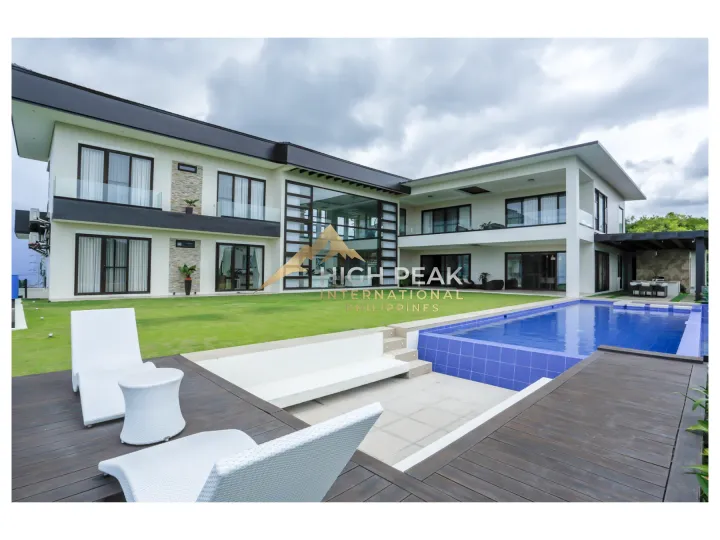
Contemporary Tropical Estate in Ma. Luisa | 1,069 sqm Across 3 Titles
5 Beds
5 Baths
1,259.00 sqm
PHP 115,000,000
Buyer Guide
Buying property in Cebu is one of the most practical ways to secure a home, diversify capital, or build long-term wealth in one of the Philippines' strongest regional markets. This guide explains how buyers can approach Cebu real estate with more clarity, stronger due diligence, and a better understanding of where value lives today.
Cebu stands out because it combines lifestyle demand, business growth, tourism strength, and a deep pool of local and overseas buyers. That combination matters because property values are not sustained by one sector alone. Residential demand, commercial expansion, retirement migration, and investment buying all support the market in different ways.
For many buyers, Cebu offers a more balanced entry point than Metro Manila. You can still find premium addresses, gated villages, business-district condominiums, and land banking opportunities without relying on a single price band or a single buyer profile. That gives buyers more room to match their purchase to actual goals rather than forcing every decision into the same urban high-rise pattern.
This is why search demand for phrases like property for sale Cebu, house and lot Cebu, and condo Cebu Philippines remains commercially valuable. People searching those terms are often much closer to a buying decision than casual browsers. They are looking for inventory, pricing context, and trustworthy local guidance.
A good Cebu property search usually starts by narrowing the type of asset, not just the budget. Houses and house-and-lot properties tend to appeal to owner-occupiers, growing families, and buyers prioritizing privacy, parking, and land ownership. Condominiums appeal to professionals, overseas Filipinos, and investors who want a more compact and managed format in key districts.
Lots and land carry a different profile. They often suit buyers who already know their time horizon, whether that means building a future residence, holding land in a premium subdivision, or preparing a development play. Commercial and mixed-use opportunities require a more operational lens, but they can also produce stronger upside when acquired well.
The most important step is matching the asset to the actual use case. A buyer seeking stable personal use should not underwrite a property the same way as someone looking for rental income, redevelopment potential, or a prestige purchase. The same Cebu location can look very different depending on the buyer's strategy.
Before you schedule viewings, review the title status, listing type, location fit, and pricing structure. In this market, price can be presented as a total figure, a per-square-meter rate, or a rental monthly rate. That means a buyer has to understand what is actually being compared. Two listings that appear close in price may have very different usable area, legal status, or development value.
Location deserves a deeper review than just city name. Within Cebu, subdivision quality, access, slope, outlook, neighborhood maturity, and road patterns all matter. A premium address on paper may still be a weak match if it does not support your daily use, your target tenant profile, or your future resale audience.
Photos and listing details can help shortlist options, but they should not replace due diligence. Strong buyers ask about title condition, taxes, restrictions, access, improvements, property age, utility readiness, and surrounding supply. A trustworthy broker should help translate those issues into decision-ready language.
Pricing in Cebu should always be understood in context. A low headline number is not automatically a bargain, and a high asking price is not automatically overpriced. Premium views, superior lot shape, better road access, cleaner title history, and stronger neighborhood reputation can all justify pricing differences that look large on first pass.
For land, per-square-meter comparisons are useful, but they should be adjusted for terrain, frontage, title structure, and buildability. For houses, buyers should compare land value, building quality, condition, and design. For condos, tower quality, floor level, management reputation, parking inclusion, and district strength all influence value.
The best negotiating position usually comes from preparation rather than aggression. Buyers who understand competing inventory, realistic market timing, and the seller's likely pressure points are much better positioned to secure favorable terms without damaging the transaction.
In a relationship-driven market, broker quality matters. A good real estate advisor does more than forward listings. They filter options, flag weak assets early, structure viewings efficiently, surface due diligence issues, and guide discussions around reservation, documentation, and closing sequence.
That is especially important for overseas buyers, first-time investors, or anyone buying in Cebu while based elsewhere. Reliable representation reduces wasted viewings, helps buyers focus on real opportunities, and creates a more disciplined shortlist.
If you are actively looking to buy property in Cebu, the practical next step is to review live listings by type, narrow your preferred locations, and start with properties that already fit your budget and objective. The stronger your shortlist, the better your inquiries, viewings, and negotiations will be.
Featured Listings